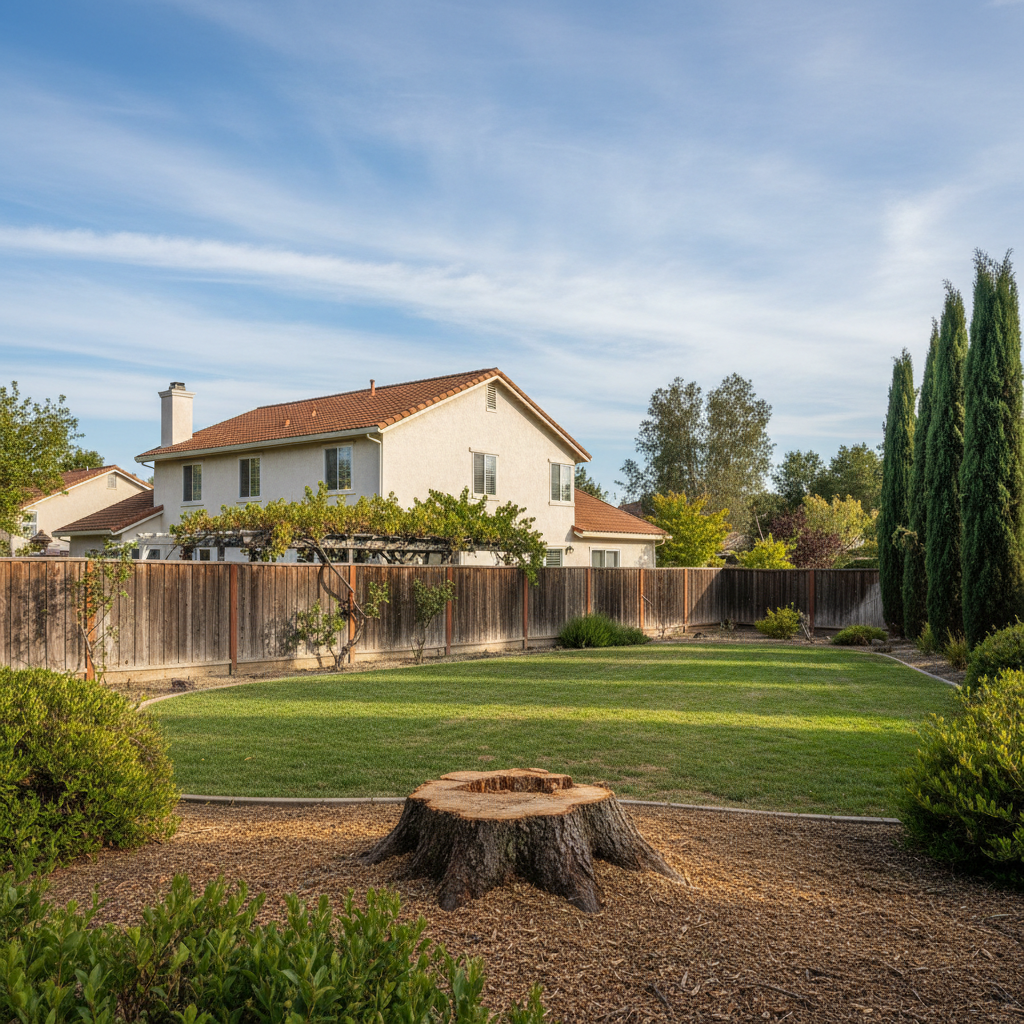
When's the best time to think about emergency tree removal? Before you actually need it. Sounds obvious, right? But here in Napa, our weather patterns can really throw a wrench into things, and knowing what to expect can save you a lot of headache, and potentially, a lot of damage.
You've got these beautiful trees on your property, and most of the time, they're just part of the scenery. Then a storm rolls in, or you notice something just isn't right, and suddenly, that tree becomes a major concern. Let's talk about how the seasons here in the valley play into all of this.
Napa's Seasons and Your Trees
We don't get extreme cold like some places, but our dry summers and wet winters are a big deal for trees. That long, parched summer puts a lot of stress on them. Then, when the fall rains finally hit, those stressed trees, especially the older oaks or those with existing decay, can become unstable. Add some wind to saturated soil, and you've got a recipe for trouble.
Think about the clay soils we have in many parts of Napa, especially in areas like Coombsville. They hold water like crazy. When it's been raining for days, that soil gets super heavy and loses its grip on tree roots. That's often when we see trees uprooting, not necessarily during the heaviest rain, but after a prolonged soaking period when the wind picks up.
When Emergency Removal Becomes Urgent
Emergency removal isn't just about a tree falling. It's about a tree that poses an immediate threat to life, property, or utilities. This usually happens during or right after a significant weather event. Here's what I've seen:
- Winter Storms: This is prime time for emergencies. Heavy rains saturate the ground, making trees unstable. Strong winds, especially those coming in from directions trees aren't used to, can easily push over weakened or compromised trees. Ice storms, while less common here, can also snap branches or entire trees under the weight.
- High Winds (Any Season): Even without rain, sustained high winds can bring down dead branches or even whole trees, especially if they're already diseased or structurally unsound.
- Sudden Tree Failure: Sometimes a tree just fails. It could be due to internal decay that wasn't visible, a sudden split, or a root system that gives out. This can happen any time, but often follows a period of stress.
When one of these situations pops up, you don't have time to shop around. You need a crew that can respond safely and efficiently. That's where a local company like Skyline Tree Solutions comes in. We're already here, we know the local conditions, and we're geared up for rapid response.
Scheduling Proactive Tree Work
You can avoid a lot of emergencies by being proactive. The best time for routine pruning, thinning, or even planned removals is usually during the dormant season – late fall to early spring. Why then?
- Easier Assessment: Without leaves, it's easier to spot dead or diseased branches, structural issues, and overall tree health.
- Less Stress on the Tree: Pruning during dormancy minimizes stress and sap loss, helping the tree recover faster.
- Weather Windows: While winter has its storms, there are usually plenty of dry, calm days perfect for scheduled work. We're not battling summer heat or trying to work around peak growing season.
If you've got a tree that's leaning, has large dead branches, or shows signs of disease, don't wait for the next big storm. Get it assessed. A little preventative maintenance goes a long way in preventing a big, expensive emergency later.
Protecting Your Investment Year-Round
Your trees are an investment, adding value and beauty to your property. Protecting them means more than just calling us when something's wrong. Here's what you can do:
- Regular Inspections: Walk around your property a few times a year. Look for dead branches, cracks in the trunk, mushrooms growing at the base, or anything that just looks 'off'.
- Proper Watering: Especially during our long, dry Napa summers, make sure your trees are getting enough water. Deep, infrequent watering is better than shallow, frequent watering.
- Mulch: A good layer of mulch around the base of your trees helps retain moisture, regulate soil temperature, and suppress weeds. Just keep it a few inches away from the trunk.
- Don't Ignore Small Issues: A small dead branch today could be a big problem in a windstorm tomorrow. If you see something concerning, get a professional opinion. It's usually cheaper to fix a small issue than to deal with a full-blown emergency.
Ultimately, a healthy tree is a safe tree. By understanding our local climate and taking a proactive approach to tree care, you can significantly reduce the risk of needing an emergency tree removal. And if you do, you know who to call.