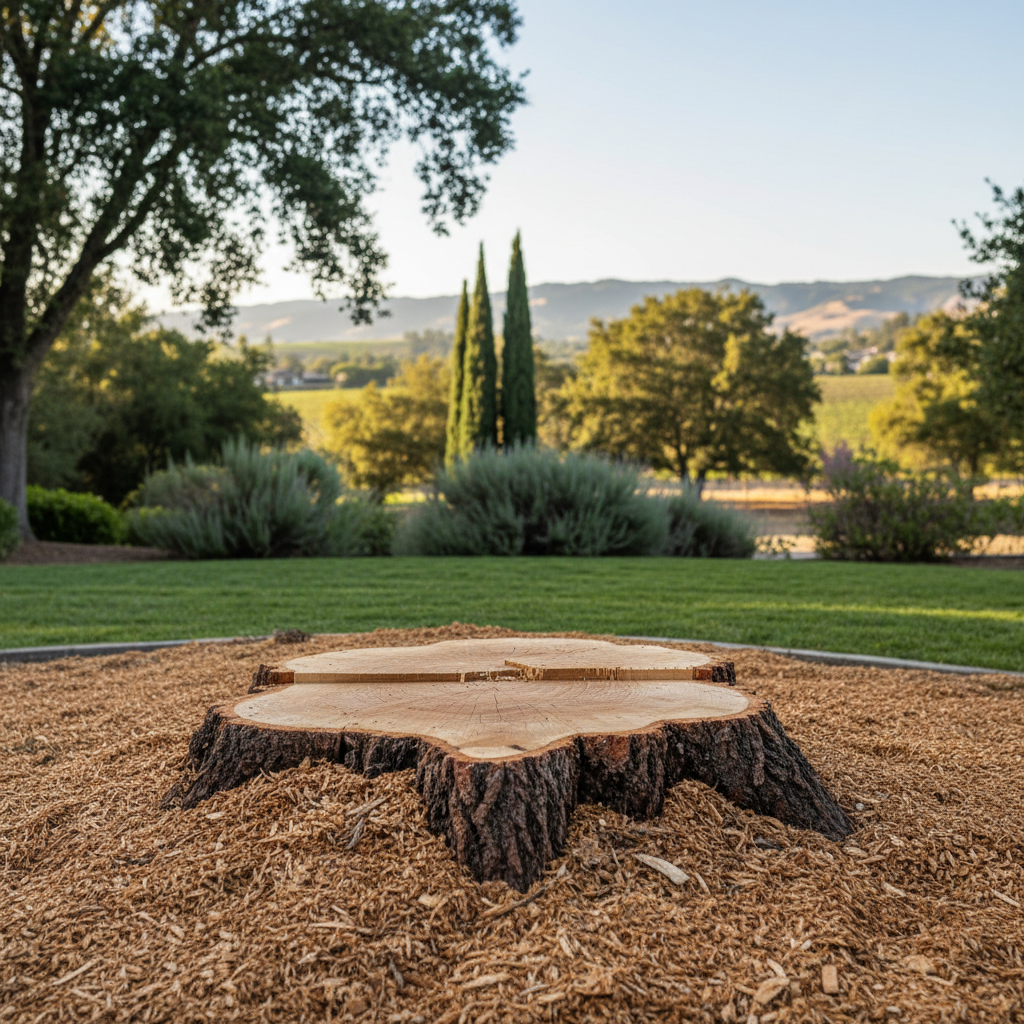
You're probably wondering about tree removal. It's a big job, and it brings up a lot of questions for homeowners here in Napa. I get calls all the time from folks just like you, trying to figure out if a tree needs to go, what it'll cost, and if they're even allowed to take it down. So, I figured I'd put together some of the most common things people ask me. No fluff, just the facts.
Do I even need a permit to remove a tree in Napa?
This is probably the number one question I hear, and it's a good one because the answer isn't always simple. In Napa, it really depends on a few things: the tree's size, its species, and where it's located on your property. Generally, if it's a significant tree — and that usually means a trunk diameter of 10 inches or more measured at 4.5 feet above the ground — you're likely going to need a permit from the City of Napa. They're trying to protect our urban canopy, which makes sense. There are specific rules for 'heritage' trees or trees in sensitive areas, too. Even if a tree is dead or clearly hazardous, you might still need to notify the city or get an emergency permit. Don't just grab the chainsaw; check with the city's planning department first. It'll save you a headache and potential fines down the road.
How much does tree removal really cost?
Alright, let's talk money. This is another one where there's no single answer, and anyone who gives you a flat rate without seeing the tree isn't being honest. The cost of tree removal varies a lot based on several factors. Things like the tree's size – height and trunk diameter – are huge. A small, easily accessible tree is a lot less work than a massive oak that's 80 feet tall. Its location matters too. Is it in an open yard or crammed between your house, a fence, and your neighbor's prize-winning roses? Obstacles mean more careful rigging, more time, and more crew. The condition of the tree also plays a role; a rotting, unstable tree can be more dangerous and complex to remove. Plus, do you want stump grinding included? That's usually an extra service. We always give a detailed quote after a site visit, so you know exactly what you're paying for with Skyline Tree Solutions.
What's the best time of year to remove a tree?
Honestly, you can remove a tree any time of year if it's necessary. If a tree is dead, diseased, or poses an immediate hazard, you don't wait for a specific season. However, if it's a planned removal and not an emergency, there are some advantages to certain times. During the dormant season, typically late fall or winter, trees have lost their leaves, making them lighter and sometimes easier to handle. There's also less impact on surrounding landscaping since plants aren't actively growing. The ground might be softer, though, especially after our winter rains here in Napa, which can sometimes make heavy equipment access trickier or cause more rutting. We often see a rush in spring and summer, so booking in the off-season can sometimes mean more flexibility in scheduling.
Can I remove a tree myself to save money?
Look, I get it. Everyone wants to save a buck. But tree removal, especially for anything beyond a small sapling, is not a DIY project. It's incredibly dangerous. We're talking about heavy falling limbs, powerful chainsaws, working at heights, and the potential for serious injury or property damage. I've seen too many homeowners try to tackle a big tree only to end up with a collapsed shed, a hole in their roof, or worse, in the emergency room. Professional arborists like us have specialized equipment, training, and insurance. That insurance alone is worth its weight in gold if something goes wrong. Unless you're a trained, insured arborist with the right gear, please don't risk it. Your safety and your home are worth more than the money you might save.
What happens to the stump after the tree is gone?
Once the tree is down, you're left with a stump. You've got a few options here. The most common is stump grinding. We use a powerful machine that grinds the stump down below ground level, usually 6-12 inches deep. This creates a pile of wood chips and dirt that you can use as mulch or fill in the hole. It's great if you want to plant grass, put in a new garden bed, or build something over the spot. Another option is chemical removal, which involves applying chemicals to accelerate decomposition, but this takes a long time – months, sometimes years. And then there's manual removal, which is usually only practical for smaller stumps, and involves a lot of digging and back-breaking work. Most folks go with grinding; it's the quickest and most effective way to get rid of that eyesore.
How do I choose a reputable tree removal company?
This is crucial. You want someone who knows what they're doing and isn't going to cut corners. First off, always ask for proof of insurance – general liability and workers' compensation. If they don't have it, walk away. You don't want to be liable if someone gets hurt on your property or if they damage your neighbor's fence. Get multiple quotes, but don't just go with the cheapest. Sometimes the lowest bid means they're uninsured, inexperienced, or planning to do a shoddy job. Check reviews online, ask for references, and make sure they're certified arborists if the job requires specialized knowledge about tree health. A good company will provide a detailed, written estimate, explain their process, and answer all your questions. We pride ourselves on transparency and professionalism at Skyline Tree Solutions.