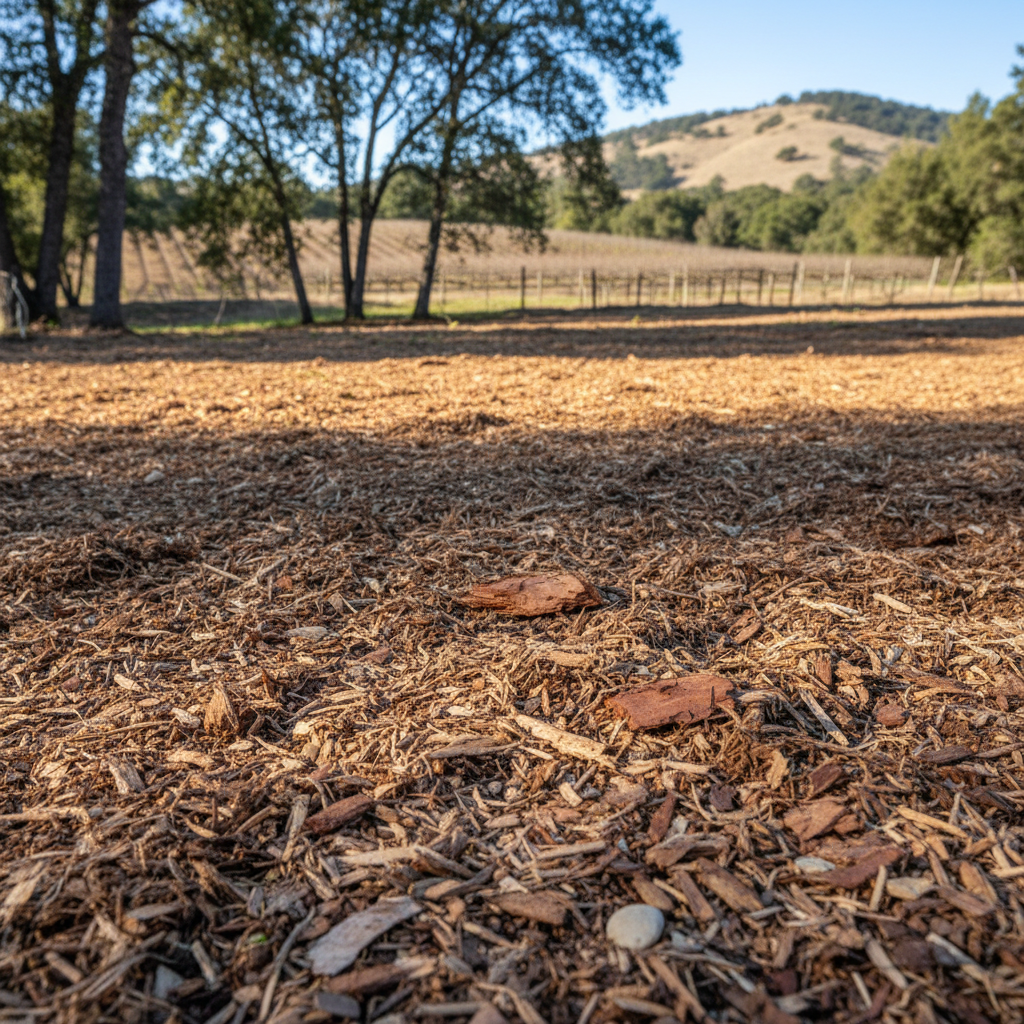
Thinking About Clearing Your Napa Lot?
So, you've got a piece of land, maybe a new property, or you're just looking to reclaim some overgrown space around your existing home here in Napa. Lot clearing can feel like a big job, and honestly, it often is. But before you grab a chainsaw and go at it, let's talk about what you're really getting into, what you can realistically do yourself, and when it's just plain smarter to call in a professional.
First off, what kind of 'lot clearing' are we even talking about? Are we talking about a few small saplings and some brush, or are we talking about a half-acre of dense chaparral and mature oak trees? The scale of the job is the first thing you need to consider. A little bit of brush removal around your fence line is one thing; preparing a new building site is a whole different ballgame.
Before You Start: Planning & Permits
This is probably the most overlooked step, and it's where most homeowners can get themselves into trouble. You can't just clear whatever you want, wherever you want, especially not here in Napa. We've got strict rules, particularly concerning our native oak trees and even some of the riparian areas along creeks. Before you touch anything, you need to:
- Check with the City or County Planning Department: Seriously, make this your first call. They'll tell you about any ordinances, especially regarding tree removal permits. You don't want to get hit with a hefty fine for taking down a protected tree.
- Identify What's There: Walk your property. What kind of vegetation are you dealing with? Are there any significant trees? Any signs of wildlife habitats? Knowing what you have helps you plan your approach.
- Understand Your Property Lines: This sounds obvious, but you'd be surprised how many disputes start because someone cleared a few feet over their property line. If you're unsure, get a survey done.
- Consider the 'Why': Why are you clearing? Fire prevention? New construction? Landscaping? Your 'why' will dictate the 'how' and 'what.' For example, fire abatement around Atlas Peak properties often requires specific clearance zones.
What You Can Likely DIY
For smaller projects, you can definitely save some money by doing the work yourself. Here's what's usually manageable for the average homeowner:
- Light Brush Removal: Think small shrubs, weeds, and very young saplings. If you can cut it with hand pruners or a small electric saw, you're probably good.
- Leaf and Debris Clearing: Raking leaves, picking up fallen branches, and general tidying. This is more maintenance than clearing, but it's part of keeping your lot clean.
- Small Stump Grinding: If you've got a small stump (say, under 12 inches in diameter) from a tree you already removed, you can rent a small stump grinder. They're heavy, but manageable for a single stump.
Always wear proper safety gear: gloves, eye protection, sturdy shoes, and hearing protection if you're using power tools. Don't underestimate how quickly an accident can happen.
When to Call a Pro (Seriously, Call Us)
This is where Skyline Tree Solutions comes in. There are certain situations where trying to DIY isn't just inefficient; it's dangerous, illegal, or both. Here's when you absolutely need to bring in the experts:
- Large Trees: Any tree over, say, 15-20 feet tall, especially if it's close to your house, power lines, or other structures. Tree removal is incredibly dangerous work. We have the right equipment, training, and insurance.
- Dense Overgrowth: If you're looking at an area where you can't even walk through, with thick vines, thorny bushes, and hidden obstacles, that's a job for heavy machinery and experienced crews.
- Sloped or Uneven Terrain: Working on hillsides, common in many parts of Napa, adds a huge layer of complexity and danger. Equipment can tip, and you can lose your footing easily.
- Stump Removal for Large Trees: Big stumps require powerful grinders and expertise to operate safely.
- Permit Requirements: If your project requires permits (and many do), a professional company like ours can help you navigate that process, ensuring everything is done by the book.
- Fire Abatement Zones: While you can do some of this yourself, getting it done right for fire safety often requires a professional understanding of defensible space and specific vegetation management techniques.
- Time Constraints: If you need the job done quickly and efficiently, a professional crew will get it done in a fraction of the time it would take you.
We've seen too many homeowners get hurt or cause more damage trying to tackle jobs that were just too big for them. It's not worth the risk to your health or your property.
After the Clearing: What's Next?
Once the clearing is done, whether you did it or we did, you're not quite finished. You'll have debris to deal with. For smaller jobs, you might be able to haul it to the Napa Recycling & Composting Facility. For larger jobs, we'll handle the haul-away as part of our service.
Then, think about what you want to do with the newly cleared land. Are you planting? Building? Just want a clean slate? Consider erosion control, especially with our winter rains. Exposed soil can wash away quickly, particularly on slopes, leading to bigger problems down the line. You might want to lay down some straw wattle or plant ground cover to stabilize the soil.
Lot clearing is a big undertaking. Do your homework, assess the risks, and don't be afraid to call in the pros when the job calls for it. It's about making smart choices for your property and your safety.