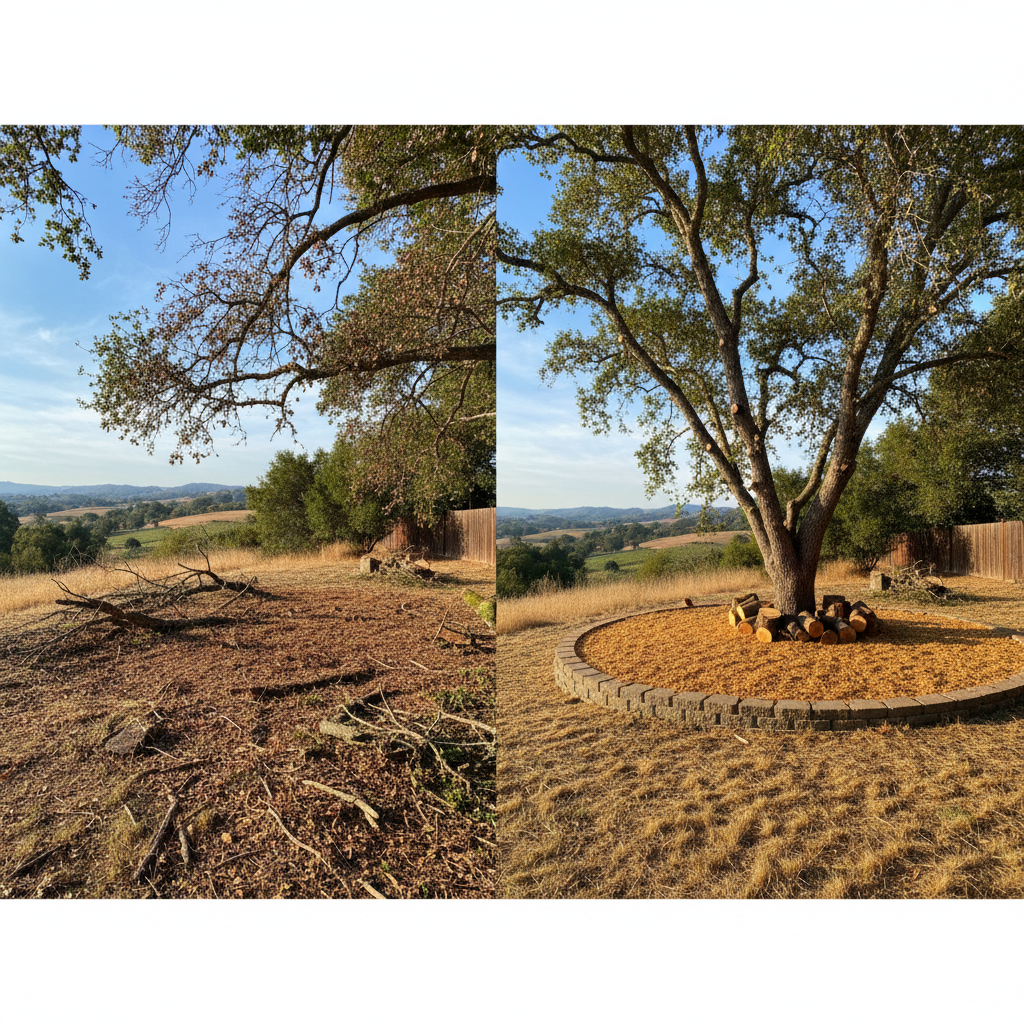
Heavy Pruning: The Old School Approach
You've seen it. Maybe you've even done it yourself. Heavy pruning, sometimes called topping or hat-racking, is where you just cut back a big chunk of the tree's canopy, often leaving stubs or cutting branches back to a uniform height. It's quick, it's often cheaper upfront, and for a lot of folks, it feels like they're getting a lot done.
But here's the thing: it's almost always a bad idea. When you chop off large sections of a tree, you're stressing it out big time. The tree's natural response is to go into survival mode, pushing out a bunch of weak, fast-growing shoots called 'watersprouts' or 'suckers' right below the cuts. These shoots grow like crazy, but they're not well-attached to the main branch. They're often dense, creating a thick canopy that blocks light and air circulation, which can actually make the tree more susceptible to pests and diseases.
Cost-wise, it might seem like a bargain initially because it's a faster job. But you'll pay for it later. Those watersprouts need to be pruned again, and often sooner than you'd think, meaning more frequent maintenance. The tree's overall health declines, making it more vulnerable to wind damage – a real concern in some of our more exposed areas in Napa, like the hills above Silverado Trail, where wind gusts can really pick up. And let's be honest, a topped tree just looks ugly. It never really recovers its natural, graceful shape.
Structural Pruning: The Long-Term Investment
Now, structural pruning is a completely different ballgame. This is where a skilled arborist, someone who really understands tree biology, carefully removes specific branches to improve the tree's overall structure, health, and appearance. We're looking at things like:
- Removing dead, diseased, or crossing branches.
- Thinning out the canopy to allow for better light penetration and air flow.
- Establishing a strong central leader and well-spaced scaffold branches, especially in younger trees.
- Reducing the weight on long, heavy limbs to prevent breakage.
The goal isn't just to make the tree smaller, but to make it stronger, healthier, and more beautiful in the long run. We're thinking about how the tree will grow in five, ten, even twenty years. For instance, with some of the older oaks we see around Napa, especially those in established neighborhoods, structural pruning is key to preserving their majesty and ensuring they don't become a hazard.
It's true, structural pruning usually costs more upfront than heavy pruning. It takes more time, more skill, and more precision. But think of it as an investment. A properly structured tree is more resilient to storms, less prone to disease, and requires less frequent, less intensive maintenance down the line. You're not dealing with a constant flush of weak growth. The tree maintains its natural form, adding curb appeal and value to your property.
The Clear Winner for Napa Conditions
Given our climate here in Northern California – hot, dry summers and sometimes wet, windy winters – tree health and resilience are paramount. Heavy pruning leaves trees vulnerable precisely when they need to be strong. The open wounds from large cuts can be entry points for pathogens, and the weak new growth is easily damaged by wind or heavy rain.
For homeowners in Napa, I'm going to give you my honest recommendation: go with structural pruning every single time. It's better for the tree, better for your property value, and safer in the long run. You'll have a healthier, more beautiful tree that requires less intervention over its lifetime. It's the responsible choice for preserving the beauty and longevity of your landscape.
If you're unsure about what your trees need, or you've got some old heavy pruning scars you want to address, give us a call at Skyline Tree Solutions. We can come out, take a look, and talk through a plan that makes sense for your specific trees and your property.