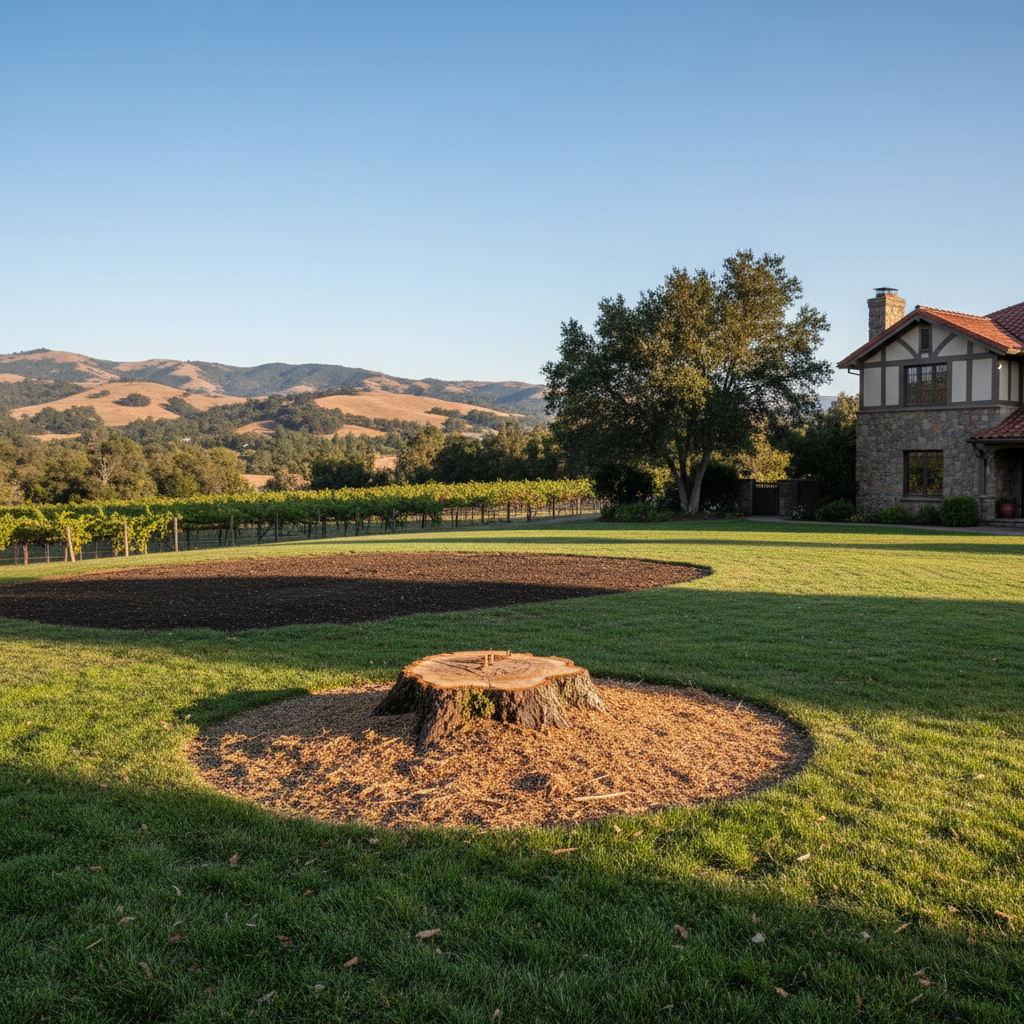
You've had a tree come down, maybe it was a big oak in your backyard or a cypress near the house after one of those winter storms we get. We came out, got it cleared, and now you're left with a cleared space. But what happens next? The job isn't really done just because the tree's gone. You've got to think about the long game, especially here in Napa where our weather can be pretty unpredictable.
Extending the Life of the Work: What to Do After Emergency Removal
When we talk about 'extending the life of the work,' we're really talking about making sure that area stays safe and doesn't cause future problems. Often, emergency removal means we're focused on getting the hazard out, fast. That might leave a stump, disturbed soil, or even some smaller debris you didn't notice in the rush.
- Stump Grinding: If we didn't grind the stump, that's often the first thing to consider. A stump can be a trip hazard, attract pests like termites, or just be an eyesore. Grinding it down below grade means you can plant grass or even a new, more appropriate tree there. It's not just cosmetic; it's about preventing future issues.
- Soil Remediation: A large tree falling can compact soil or leave a big hole. You might need to add new soil, compost, or even consider aeration, especially if you're planning on replanting. Good soil health is crucial for anything you want to grow next.
- Drainage Checks: With a big tree gone, the way water moves through your property might change. That tree was soaking up a lot of moisture. Keep an eye out for new puddling or erosion, especially during our rainy season. You might need to adjust grading or add some French drains.
Regular Maintenance: Keeping Your Property Safe
Even if you didn't have an emergency, regular maintenance is key to preventing one. Think of it like changing the oil in your car; you do it to avoid bigger, more expensive problems down the road.
- Pruning for Health and Structure: This is probably the biggest one. Regular pruning removes dead, diseased, or weak branches. It also helps shape the tree, reducing the chance of limbs breaking off in high winds. We often see trees in the older neighborhoods, like those around Old Town Napa, that haven't been properly pruned in years. Those are the ones that become hazards.
- Inspecting for Pests and Diseases: Keep an eye on your trees. Look for unusual leaf discoloration, strange growths, or holes in the bark. Our climate can make trees susceptible to things like Sudden Oak Death or various fungal infections. Catching these early can save the tree, or at least prevent it from becoming a danger.
- Watering and Mulching: Especially during our dry summers, proper watering is critical. Drought-stressed trees are weak trees. A good layer of mulch around the base helps retain moisture and regulate soil temperature. Just make sure it's not piled up against the trunk.
Warning Signs: When Something's Not Right
You don't need to be an arborist to spot trouble. Trust your gut. If something looks off, it probably is.
- Cracks or Splits: Look for cracks in the trunk or major limbs. These are serious structural issues.
- Leaning: If a tree suddenly starts leaning, or if an existing lean gets worse, that's a red flag. Check the soil around the base for heaving.
- Dead or Hanging Branches: Any large dead branches, especially those hanging precariously, are an immediate hazard. Don't try to remove them yourself if they're big or high up.
- Fungus or Decay: Mushrooms growing on the trunk or at the base of a tree, or soft, crumbling wood, indicate internal decay.
- Cankers or Swellings: Unusual growths or sunken areas on the bark can be signs of disease.
- Root Damage: Construction, trenching, or even heavy foot traffic can damage roots, weakening the tree's stability.
When to Call a Professional
Look, I'm a professional, so I'm going to tell you to call one. But seriously, some things are just not DIY jobs. If you see any of those warning signs, or if you're just not sure, pick up the phone. Don't wait until it's an emergency. Early intervention can save you a lot of money and heartache.
You should definitely call us at Skyline Tree Solutions if:
- You have a large tree that needs pruning or removal. It's dangerous work, and we've got the right equipment and insurance.
- You suspect disease or pest infestation. We can diagnose the problem and recommend treatment.
- You're dealing with a stump that needs grinding.
- You're planning new construction or landscaping and need advice on how it might impact existing trees.
- Any tree or large limb is overhanging your house, garage, or power lines. That's just asking for trouble.
Taking care of your trees and property isn't a one-and-done deal. It's ongoing. A little attention now can prevent a big headache later, especially with the weather we get here in Napa County.